LConnect
Two sides of Egypt's creative industry that mostly found each other through WhatsApp groups and word of mouth.
At a glance
- Client
- App Blender
- Year
- 2025
- Scope
- App, marketing site, back-office
- Platforms
- iOS · Android · web
Worth knowing
- 01
One codebase, both app stores — Ionic and Angular over Capacitor
- 02
SignalR realtime under booking and scouting, where a page refresh is too slow
- 03
A moderation back-office from day one, not after the first incident
01The problem
Talent — actors, models, crew — needed somewhere to put their work where the people who hire actually look. Casting offices, production houses and agencies needed to post briefs, find people, and book the studios a shoot needs. Both halves existed; the connection between them was informal and lossy.
02What I built
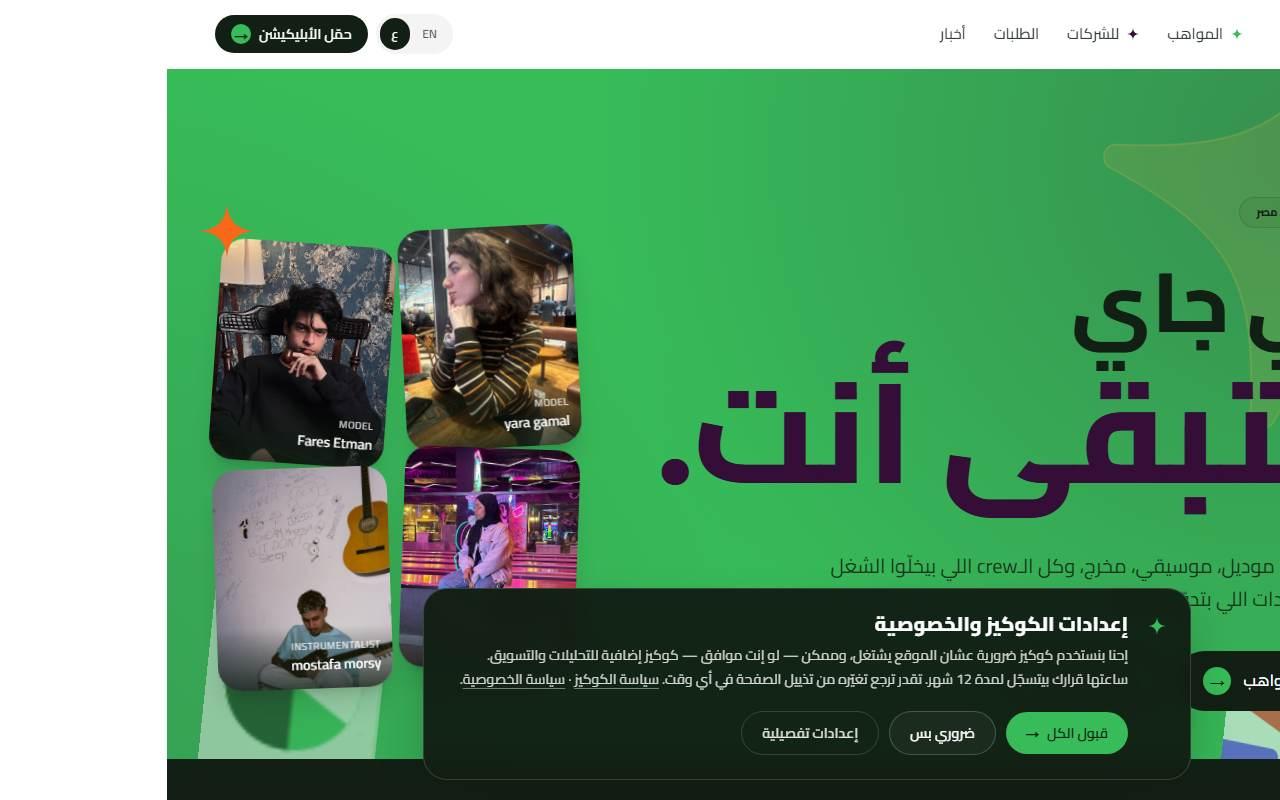
A cross-platform app shipped to iOS and Android from one codebase — Ionic and Angular on Capacitor. Talents build a profile and post work; casting offices and production houses post briefs, scout, and book studios or locations in-app.
Behind it, a C#/.NET API with SignalR for realtime and JWT for auth. Booking and scouting are conversations under time pressure, so a status change landing a page-refresh later isn't good enough.
I also built the marketing site and the moderation back-office. That last one matters more than it sounds: a marketplace where anyone can post needs someone able to take things down, and that surface has to exist from the start.
03Why cross-platform was right here
One team, two app stores, a product still finding its shape. Capacitor let the same TypeScript ship to both platforms and made feature parity free rather than something to maintain. The tradeoff is less platform-native feel — and the surface that would have suffered most from it, realtime messaging, is carried by SignalR rather than anything platform-specific.
04Stack
- Ionic
- Angular
- Capacitor
- TypeScript
- C# / .NET
- SignalR
- JWT auth